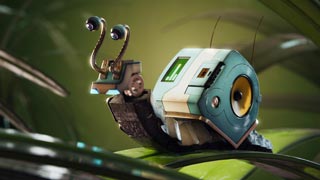
Celebrate CG Boost’s Birthday with 20% off Robotic Planet! 🥳
Learn more
Learn more
Learn more
Learn more

Celebrate CG Boost’s Birthday with 20% off Robotic Planet! 🥳
Clear, fun and practical courses for 3D storytellers.


Exciting projects, explained step by step, with some fun mixed in. You decide if you follow to the letter.

Continuously improved courses with both content additions and updates.

No subscription, pay once for each course, updates and offline access included.
Ramesh kept the small MP3 player in a battered tin box beneath his bed, a shrine to evenings he'd rather forget. The player held a single song he’d looped a thousand times: a lilting melody titled "Poo Maname Vaa," its chorus soaked in moonlight and the promise of rain. He didn’t remember where he’d first heard it—maybe a neighbour’s radio, maybe a cracked phone on a train—but the song had a way of pulling memory out of hiding, pressing it into the warm places.
He tried. He sang under his breath as he swept the shop’s floor, let the chorus out when he shelved milk bottles. The words didn’t summon anyone back, but they made the air kinder to his loneliness. Customers started lingering a beat longer; a schoolboy asked for two candies and paid with a secret smile; a young woman always bought the same flowers and tucked them behind her ear before hurrying off. poo maname vaa mp3 song download masstamilan exclusive
Years later, a young boy left behind a crumpled recording of his own—his voice trembling while he sang a line from "Poo Maname Vaa." He apologized for the mistakes, then wished Ramesh well. Ramesh listened and smiled until his eyes blurred. The song had passed through him, then through the streets, and now it had nested in another heart. Ramesh kept the small MP3 player in a
The melody never solved everything. Bills still needed paying, the rain still leaked through the shop's eaves, and sometimes the nights were long. But the refrain taught him a sturdier habit: to call names, to carry small things across distances, to believe that ordinary kindnesses were a kind of music. He tried
His father grew quieter still, then one afternoon simply did not wake. Ramesh washed his hands, closed the shop, and sat with the MP3 player on his lap. The refrain rose: “Poo maname vaa.” It felt less like a plea and more like a benediction. He thought of the uncle who’d mailed the tape, of the woman on the bridge, of the strangers who'd become part of the shop’s morning traffic. Grief, he realized, was not a single sound but a chorus.
There is no mastery without proper practice. Develop yourself regularly with our 3D art challenges. Improve your skills, get feedback and win prizes.

40th CG Boost 3D Art Challenge
40th CG Boost 3D Art Challenge
40th CG Boost 3D Art Challenge
Ramesh kept the small MP3 player in a battered tin box beneath his bed, a shrine to evenings he'd rather forget. The player held a single song he’d looped a thousand times: a lilting melody titled "Poo Maname Vaa," its chorus soaked in moonlight and the promise of rain. He didn’t remember where he’d first heard it—maybe a neighbour’s radio, maybe a cracked phone on a train—but the song had a way of pulling memory out of hiding, pressing it into the warm places.
He tried. He sang under his breath as he swept the shop’s floor, let the chorus out when he shelved milk bottles. The words didn’t summon anyone back, but they made the air kinder to his loneliness. Customers started lingering a beat longer; a schoolboy asked for two candies and paid with a secret smile; a young woman always bought the same flowers and tucked them behind her ear before hurrying off.
Years later, a young boy left behind a crumpled recording of his own—his voice trembling while he sang a line from "Poo Maname Vaa." He apologized for the mistakes, then wished Ramesh well. Ramesh listened and smiled until his eyes blurred. The song had passed through him, then through the streets, and now it had nested in another heart.
The melody never solved everything. Bills still needed paying, the rain still leaked through the shop's eaves, and sometimes the nights were long. But the refrain taught him a sturdier habit: to call names, to carry small things across distances, to believe that ordinary kindnesses were a kind of music.
His father grew quieter still, then one afternoon simply did not wake. Ramesh washed his hands, closed the shop, and sat with the MP3 player on his lap. The refrain rose: “Poo maname vaa.” It felt less like a plea and more like a benediction. He thought of the uncle who’d mailed the tape, of the woman on the bridge, of the strangers who'd become part of the shop’s morning traffic. Grief, he realized, was not a single sound but a chorus.